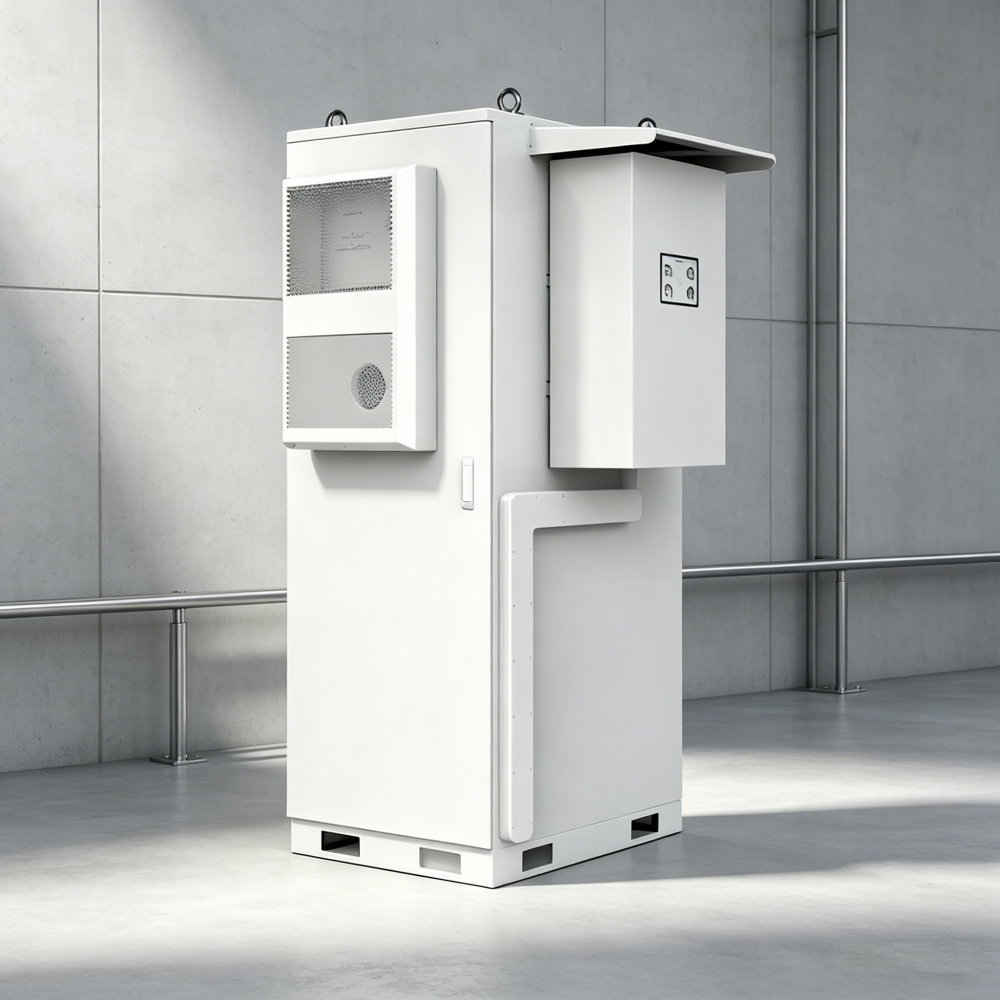
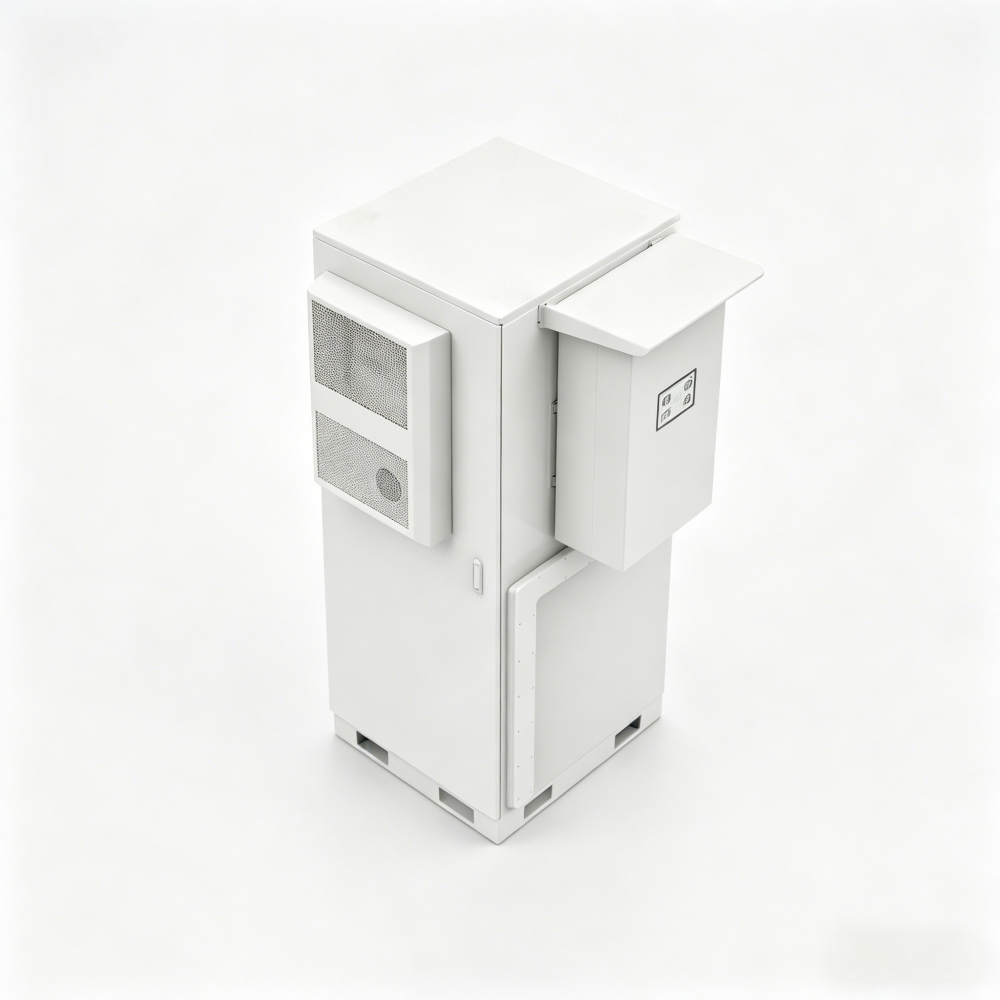
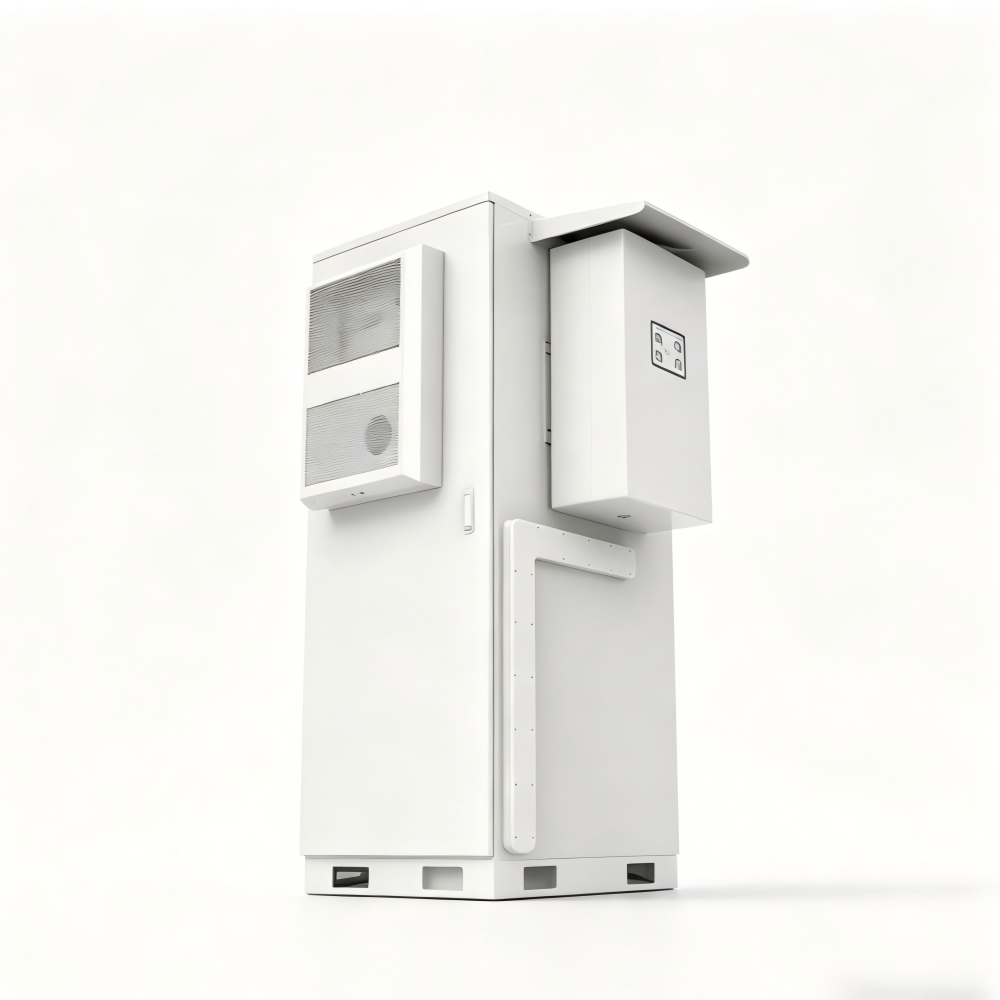
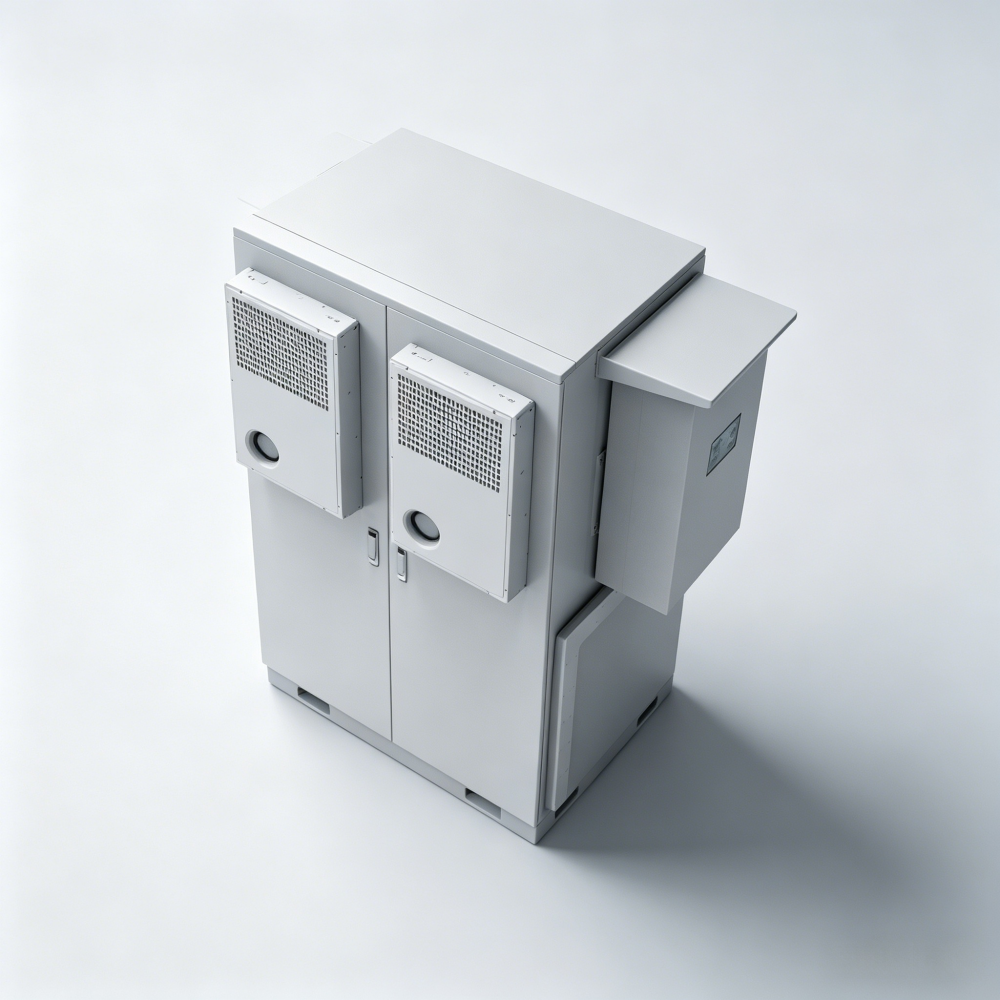
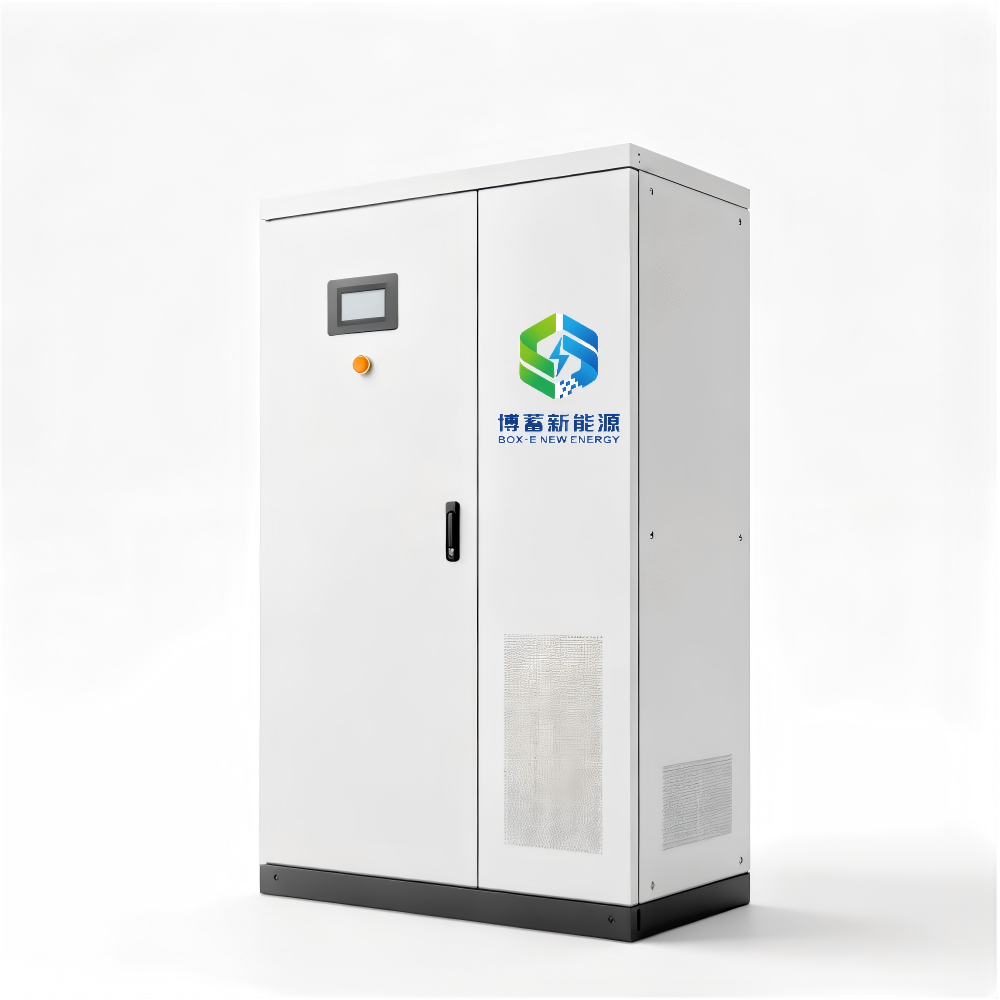
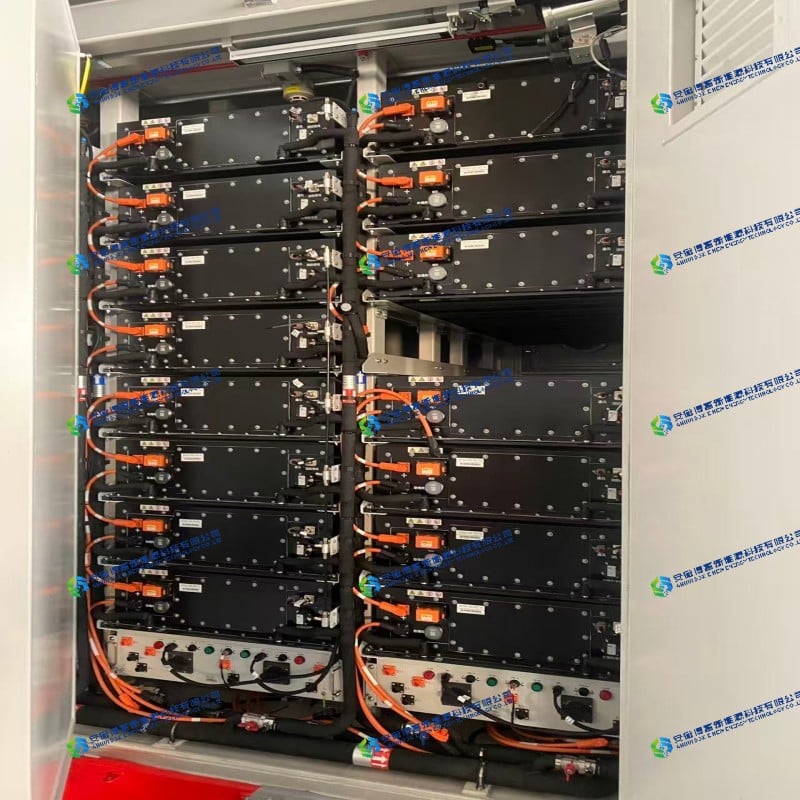
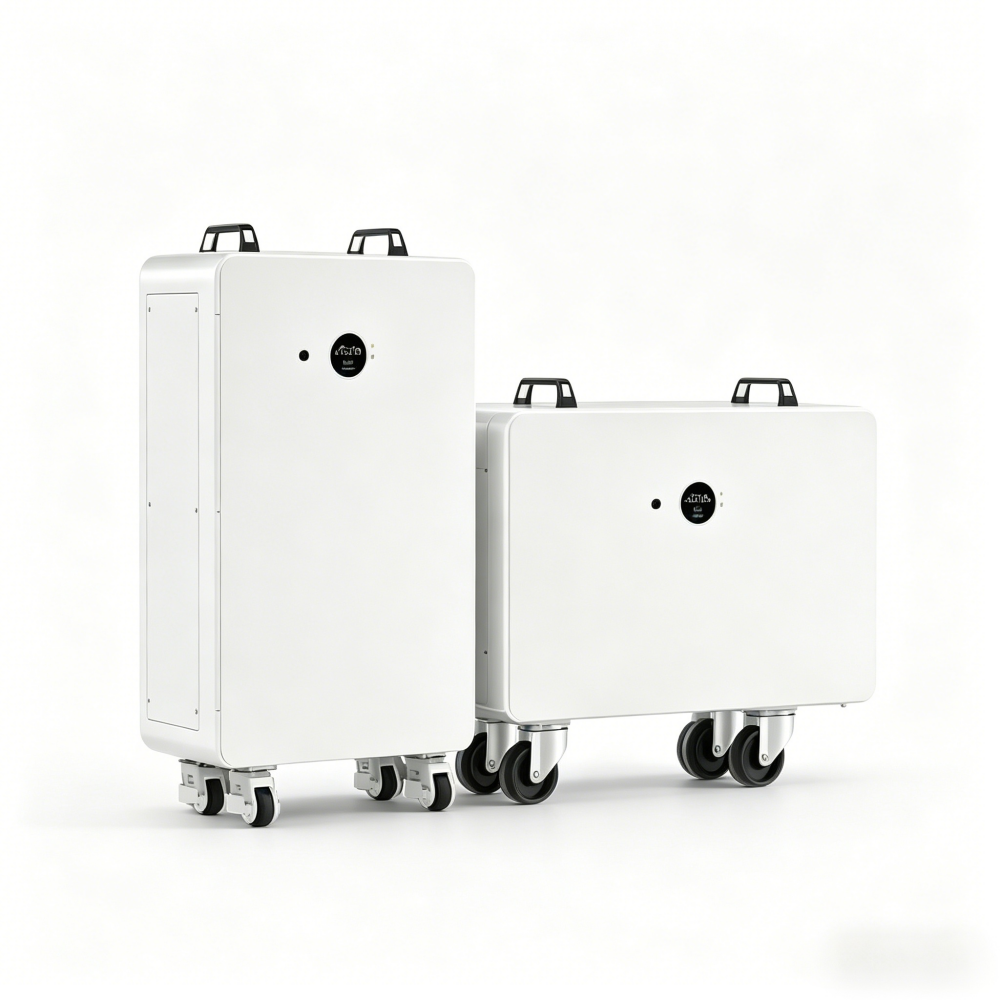
1.Industrial & Commercial Peak-Valley Arbitrage: Charge with low-price off-peak electricity at night and discharge with high-price peak electricity during the day, using the electricity price difference to reduce the electricity cost of enterprises. At the same time, it realizes peak shaving and valley filling, reduces the capacity fee of transformers, and is widely used in factories, shopping malls, industrial parks and office buildings.
2.Emergency Backup Power: It can switch to backup power supply in milliseconds when the grid is cut off, providing uninterrupted power for key loads such as data centers, hospitals, banks, precision equipment and communication base stations. It has larger capacity and longer endurance than traditional UPS.
3.Distributed PV/Wind Power Consumption: Matches with distributed photovoltaic and wind power generation systems, smooths the fluctuation of renewable energy output, improves the self-consumption rate of green power, and solves the problem of wind and solar abandonment. It is suitable for solar-storage-charging integrated stations, industrial and commercial microgrids.
4.Power Quality Improvement: It can compensate for three-phase unbalance, voltage sag and low power factor, stabilize the voltage and frequency of the power grid, and improve the power supply quality. It is applicable to distribution network transformation, precision manufacturing and other scenarios with high power quality requirements.
5.Off-Grid & Remote Area Power Supply: Provide stable independent power supply for areas without grid or with weak grid (such as islands, mines, rural remote areas). It can operate independently or work with diesel generators and photovoltaic panels to ensure the normal production and living power demand.


 EN
EN