EN
EN



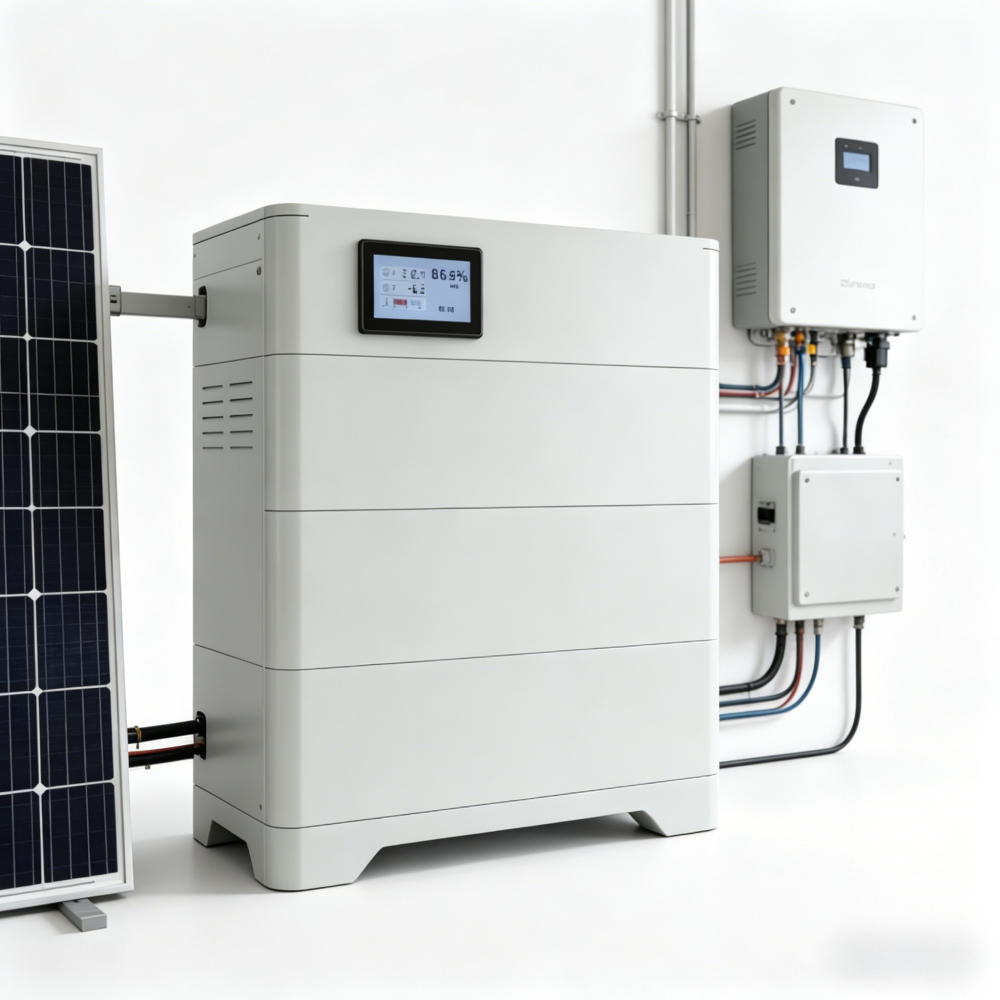
Choosing hybrid solar energy can be a big step for business. It’s a mix of solar power and old energy sources. With BOX-E, companies can find ways to save cash and help the enviroment at the same time. Hybrid solar systems can cut energy costs, which is key for any business. They also help lower the carbon footprint, making eco-friendly easier.
What Cost Savings Businesses Can Expect from Hybrid Solar Solutions?
Businesses can expect big cost savings when they pick hybrid solar solutions. First, let’s talk about energy bills. If a company switch to hybrid solar, they can save a lot on monthly electricity costs. For instance, think of a restaurant that pay $1,000 each month for energy. This mean they save $600 or more every month. Over a year, that add up to $7,200 or more saved. Another way business save money is through goverment incentives. Many areas offer tax credits or rebates for companies using renewable energy.
How to Do a Cost-Benefit Analysis for Hybrid Solar Investments
Doing a cost-benefit analysis for hybrid solar investments is a smart move for business. It help them see if the investment worth it. First, they need to gather info about costs. This include the price of solar panels, installation fees, and other expenses. BOX-E can give estimates for these. Next, business should look at potential savings. They need to calculate monthly savings on energy bills. This can be done by checking current costs and estimate savings from hybrid solar. If they save $600 a month, that’s $7,200 a year.
What Common Misconceptions About Hybrid Solar for Businesses?
Many people think solar and grid hybrid system too expensive for business or not worth investing. This is a big misconception. While initial cost for installing can be high, it’s important to look at long-term benefits. Hybrid solar combine solar with other sources, like wind or regular electricity. This mean business save on energy bills over time. They can produce own energy, which help them depend less on outside. Another misconception is that hybrid solar systems are complicated and hard to maintain. Some worry they need lots of technical knowledge to run them. In reality, companies like BOX-E make it easier to install and manage. They provide support to help business start. Most systems are user-friendly, so employees can learn without much trouble.
What Are the Latest Trends in Hybrid Solar Tech for Businesses?
The world of hybrid solar tech is always changing and getting better. One latest trend is smart technology. Smart hybrid solar power system can monitor energy use and adjust as needed. This mean they store energy when cheap and use it when prices high. Companies like BOX-E integrate smart tech to help business save more. It allows them to be efficient and cut waste. Another trend is interest in energy storage. Business not only produce energy but store it for later. Battery tech has improved much. New batteries are more efficient and hold more energy. This mean business store from hybrid solar and use during peak hours when costs higher.
How to Overcome Common Issues with Hybrid Solar Systems
Even though hybrid solar solutions provide many benefits, some business face challenges. One common issue is managing the energy produced. To fix this, business can work with experts from BOX-E, who offer training and resources. This support help employees learn to monitor use and optimize for their needs. Another issue is maintenance costs. Some worry it will be too expensive. However, regular maintenance actually save money long run. It’s important to clean panels and check batteries often. Setting a schedule with trusted company can ensure smooth running. Lastly, business may face financing challenges. Many don’t know about incentives and options.
Table of Contents
- What Cost Savings Businesses Can Expect from Hybrid Solar Solutions?
- How to Do a Cost-Benefit Analysis for Hybrid Solar Investments
- What Common Misconceptions About Hybrid Solar for Businesses?
- What Are the Latest Trends in Hybrid Solar Tech for Businesses?
- How to Overcome Common Issues with Hybrid Solar Systems