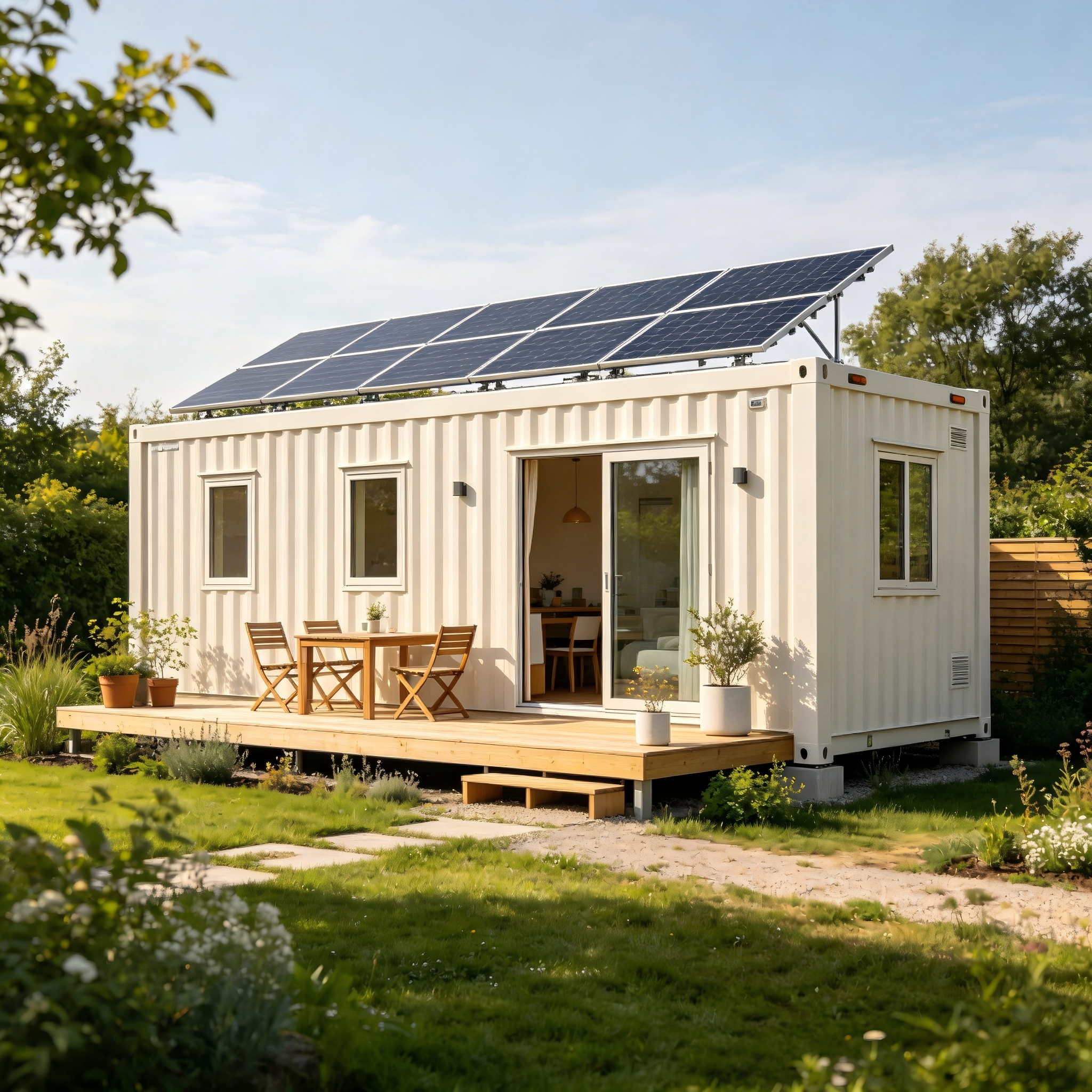
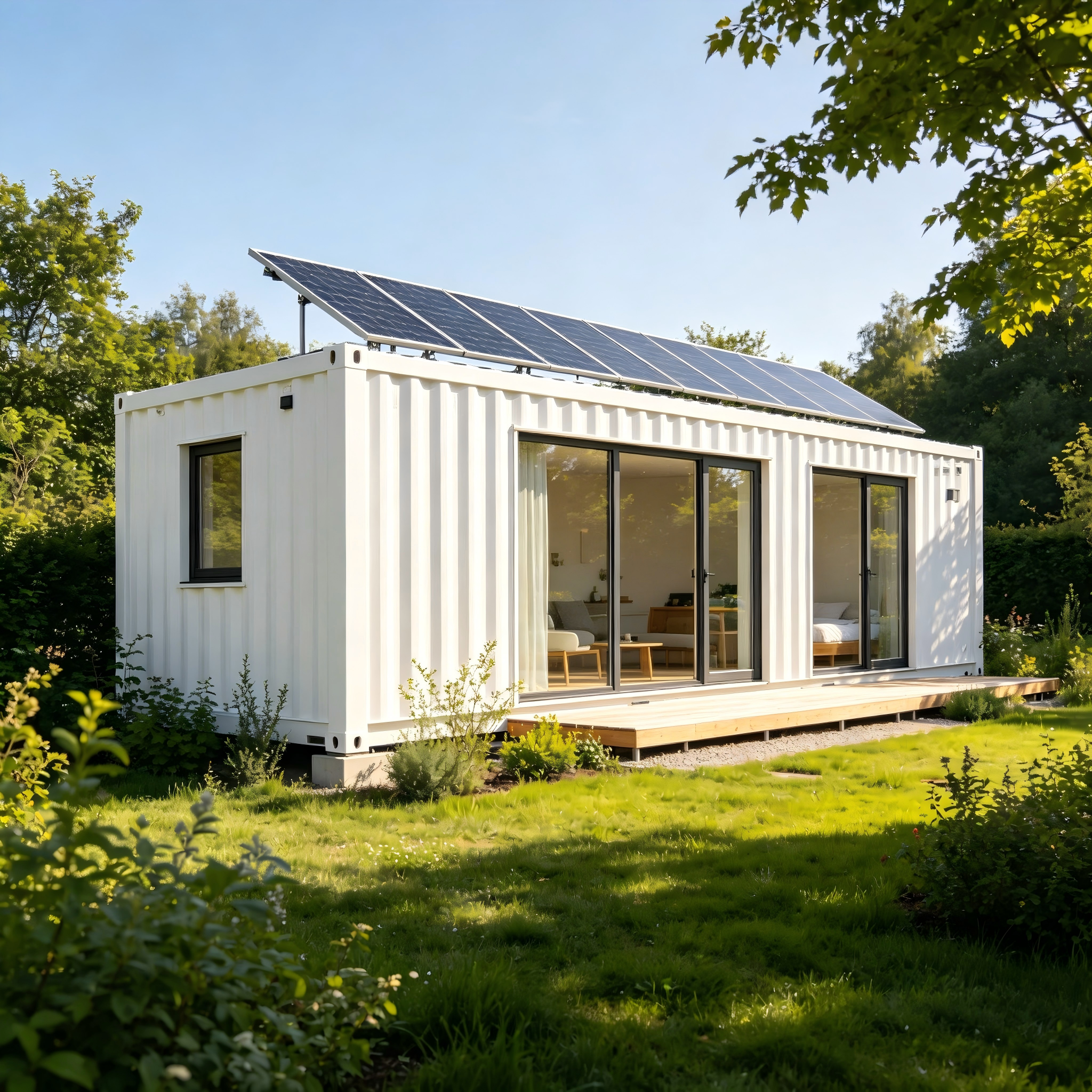
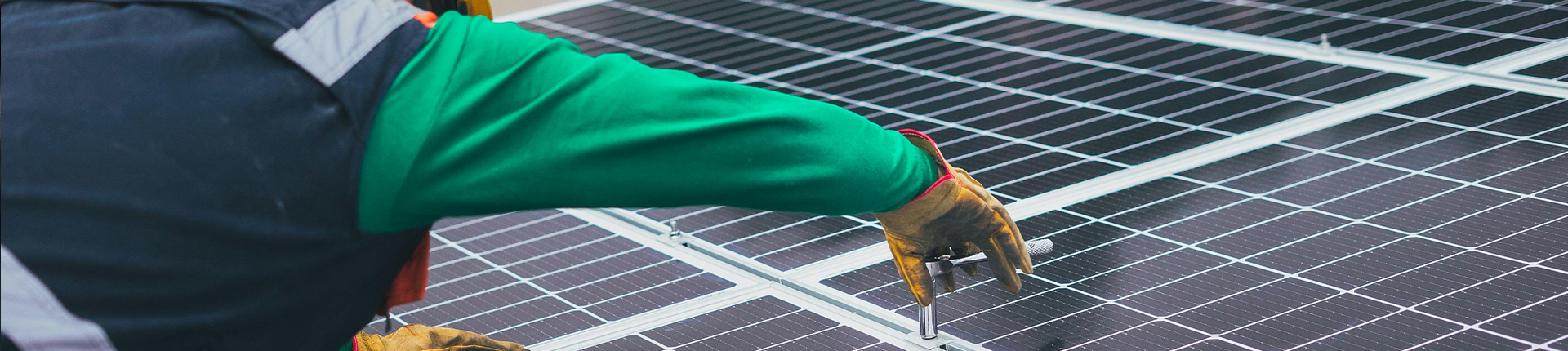
1.Green Energy Self-sufficiency, Energy Saving and Consumption Reduction: The solar panels on the roof can independently absorb solar energy and convert it into electrical energy to meet the basic electricity needs of the house, such as lighting and household appliances. The remaining electricity can be connected to the grid or stored for backup, greatly reducing electricity costs and practicing the concept of low-carbon environmental protection.
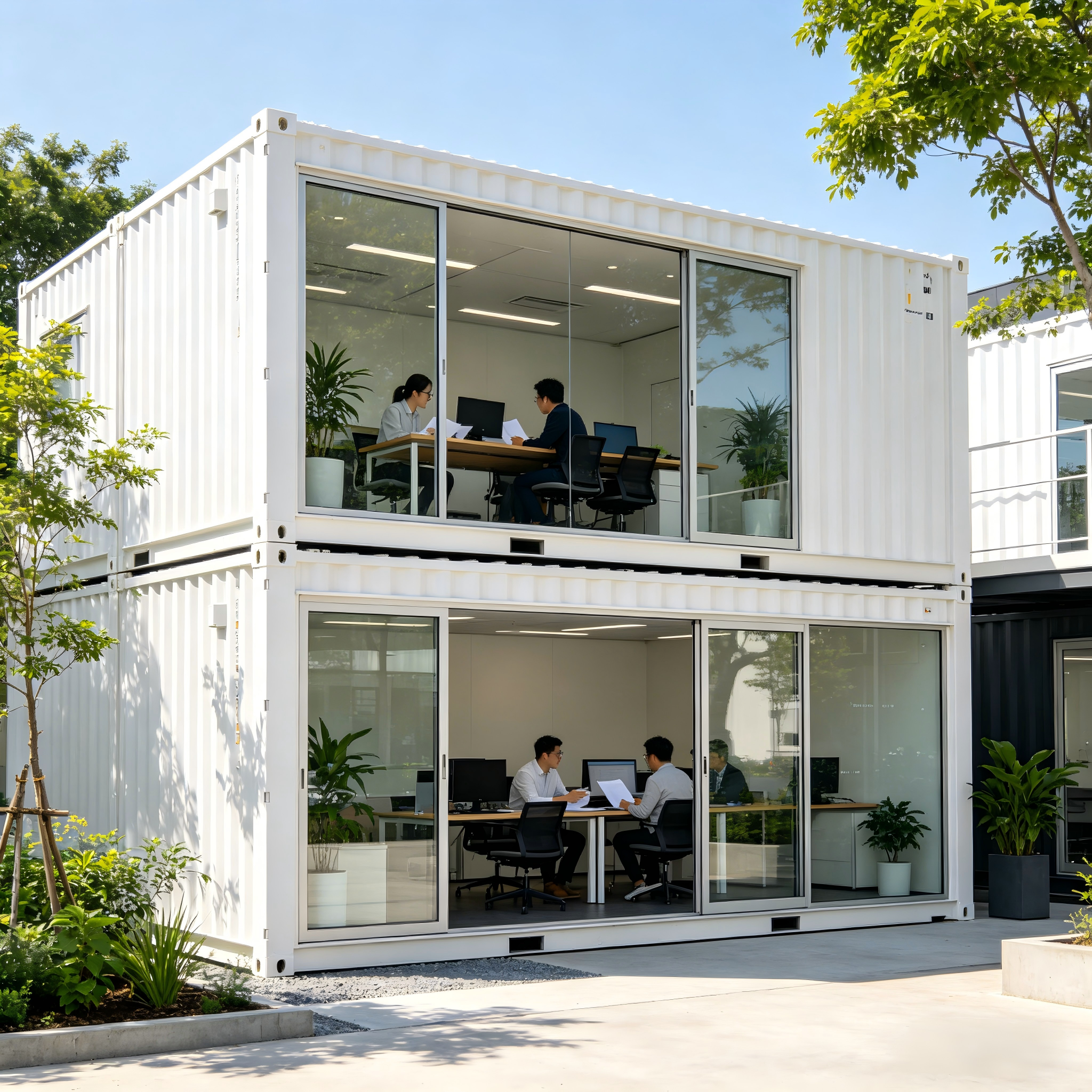
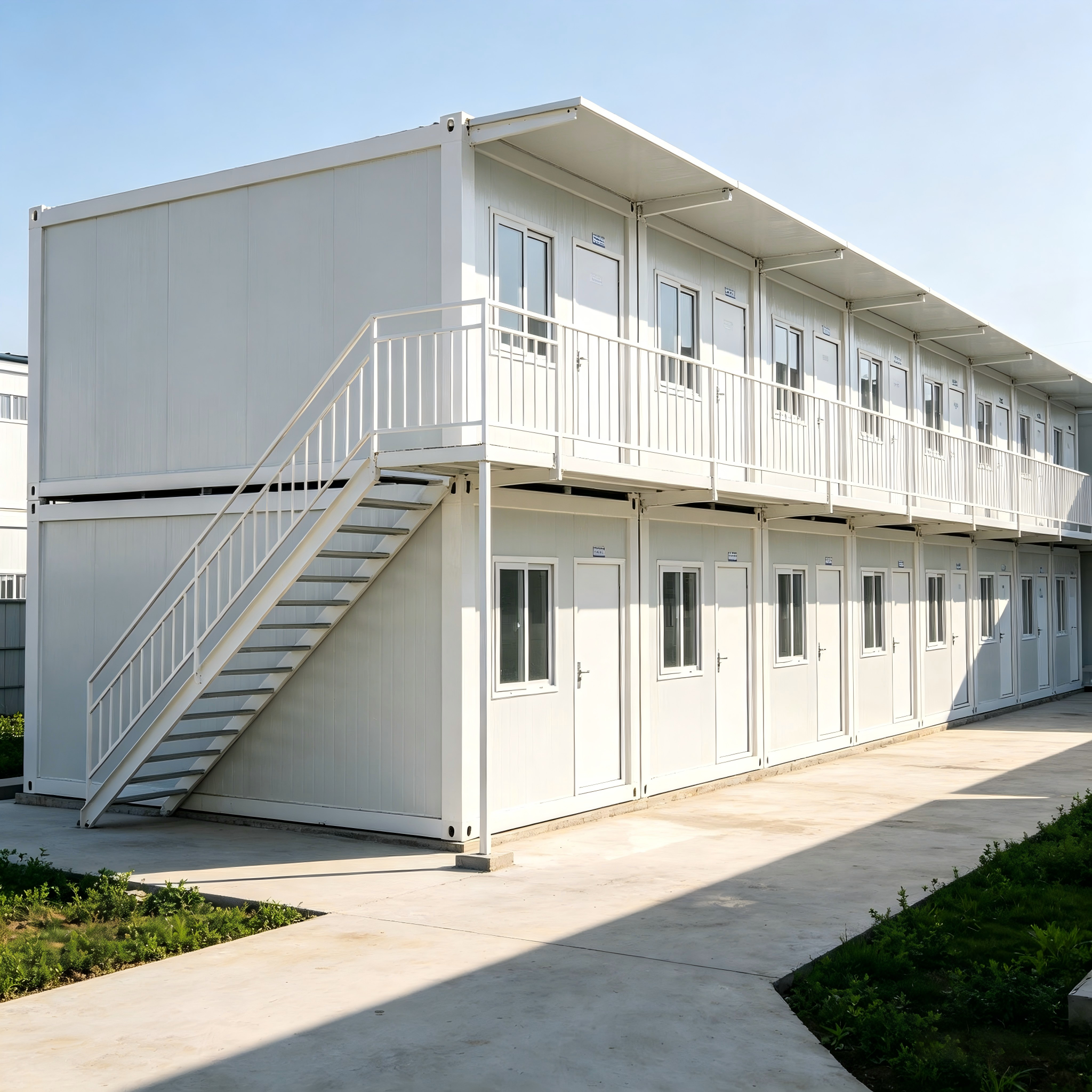
2.Prefabricated Integration, Rapid Implementation: Adopting standardized prefabricated production, the main body of the house and photovoltaic modules are pre-integrated and assembled in the factory. Only simple splicing and fixing are required on site, no complex construction is needed, and it can be put into use in a short period of time, greatly shortening the construction cycle.
3.Durable and Widely Adaptable: With containers as the main body, the material is corrosion-resistant, wind-resistant and earthquake-resistant. The roof solar panels have undergone special protective treatment, which can resist harsh weather such as rain, snow and exposure to the sun, and are suitable for different climates and locations (including construction sites, remote areas, scenic spots, etc.).
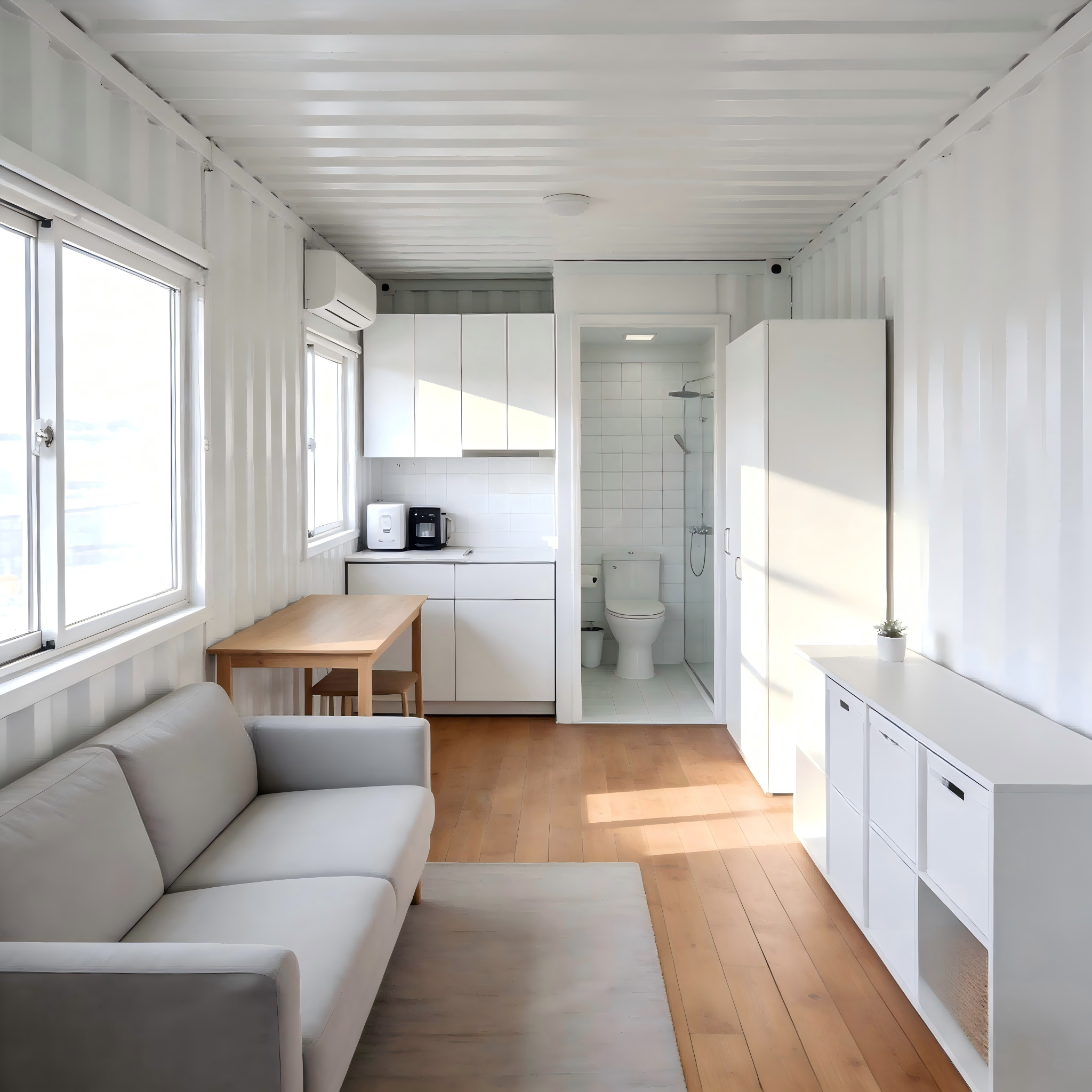
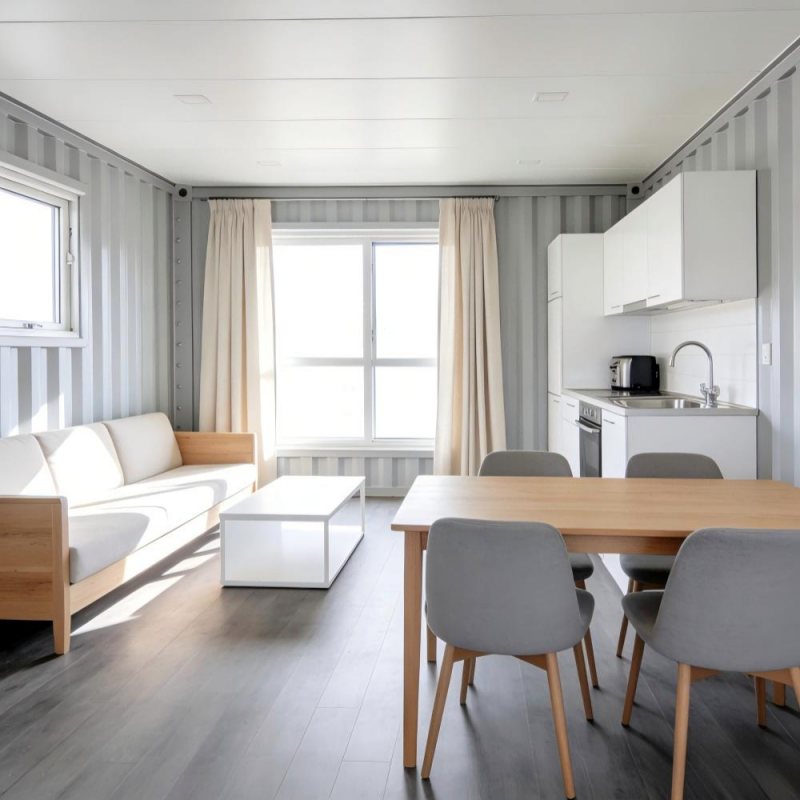
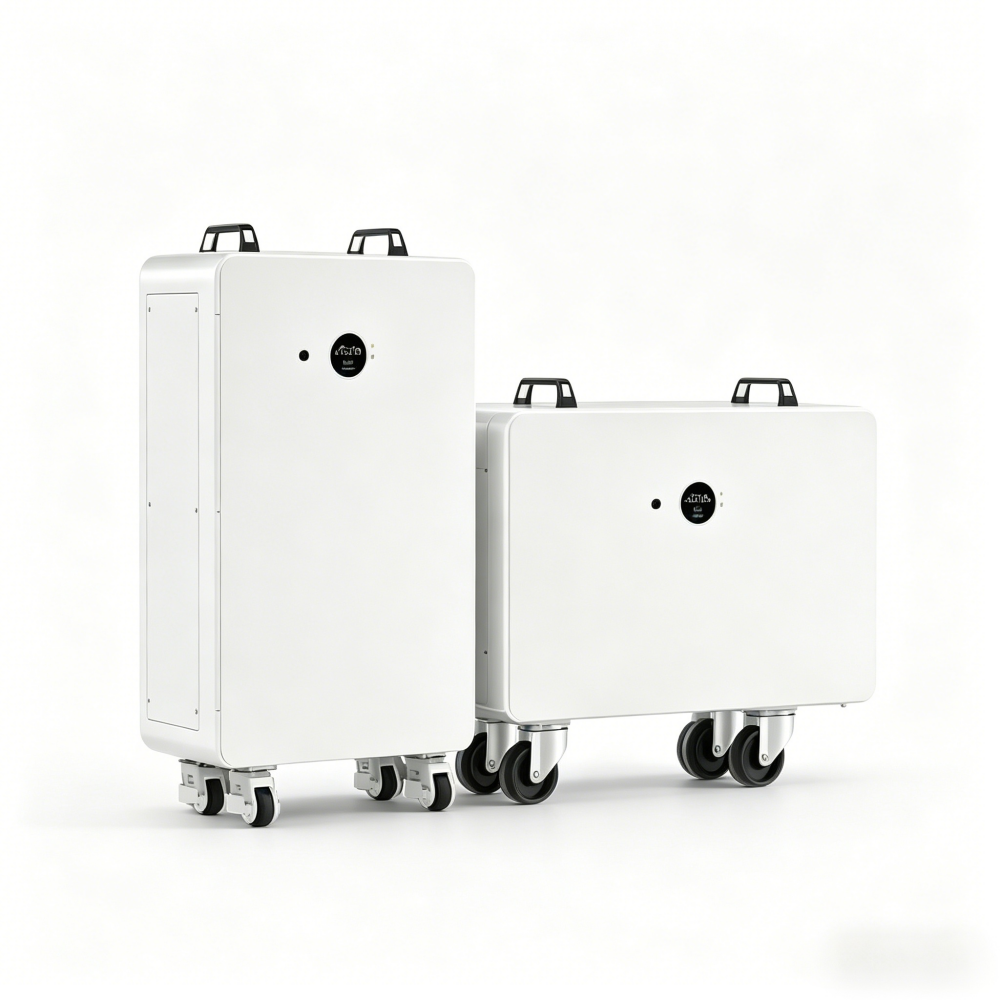
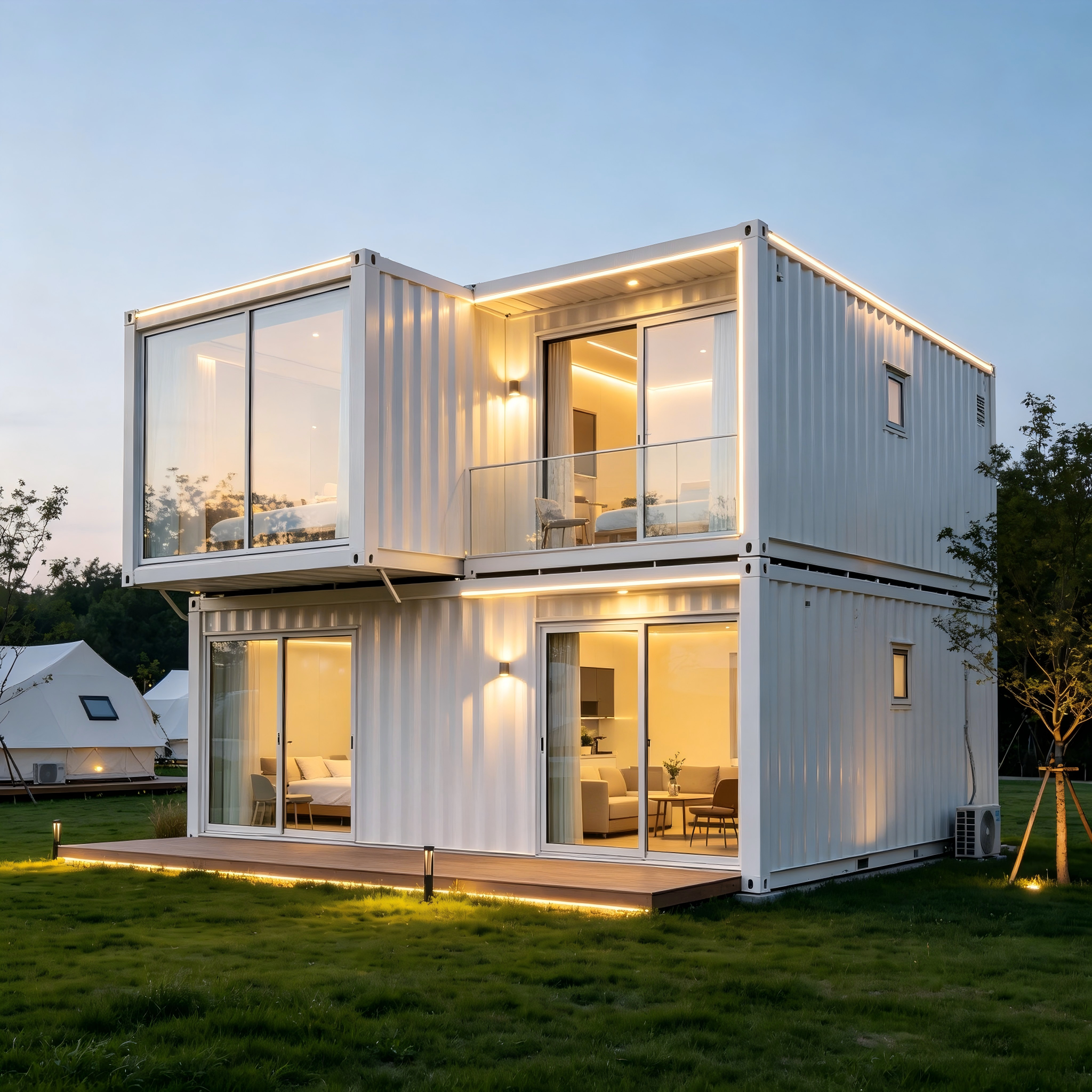
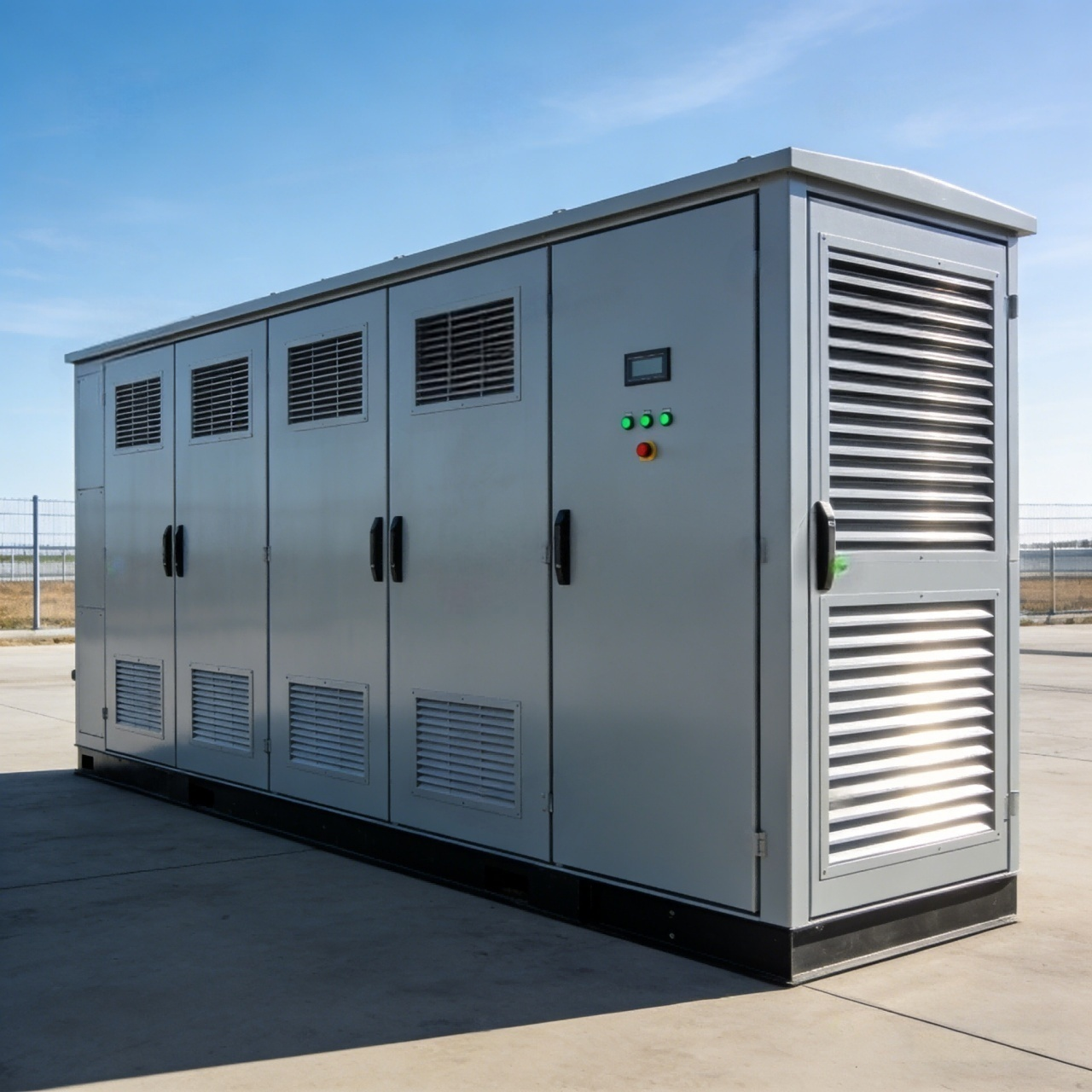
4.Intelligent and Convenient, Flexible and Adjustable: The photovoltaic system can be used with energy storage equipment to realize the storage and reasonable distribution of electrical energy; the house can be customized according to needs (size, layout, photovoltaic power), and can be flexibly moved, disassembled and reused later, with high cost performance.
5.Beautiful and Practical, Both Aesthetics and Function: The solar panels are neatly laid on the roof, integrating with the overall style of the container house without damaging the architectural beauty; at the same time, the roof solar panels can play a certain role in heat insulation and waterproofing, improving the comfort of the house for living/use.

 EN
EN