EN
EN


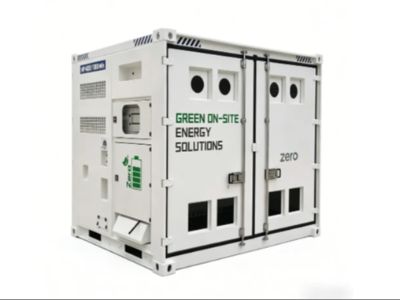
Factories these days are searching for improved methods to store energy, and big-capacity battery storage options are becoming really crucial. These batteries hold plenty of energy, which helps factories operate without hitches. At BOX-E, we know that sufficient energy is vital for manufacturing. When factories have the proper battery setups, they can cut costs, reduce stoppages, and make their operations greener. Big-capacity batteries simplify managing energy demands for factories. This isn't only about having power when machines require it; it's about being smarter with energy usage. Proper battery storage helps factories prepare for issues and keep operations running smoothly
What Are the Key Benefits of Big-Capacity Battery Storage for Manufacturers
Big-capacity battery storage offers lots of benefits for manufacturers. First, it saves money. Factories usually deal with high electricity bills, particularly during peak hours. By employing battery storage, they can charge batteries when power is low-cost and draw on stored energy when rates rise. It's like getting a bargain on energy! A battery system also lets factories keep machines running even if there is a blackout. Think of a toy-making factory—if the lights go out, they lose valuable work hours. But with a reliable portable battery pack setup, they can continue without interruptions. This ensures timely deliveries and satisfied customers. Another major benefit is flexibility. Factories can adjust their energy use according to production needs. For instance, during busy periods, they can rely more on stored power to meet demand. This is especially useful for factories with changing orders or seasonal production. It keeps them efficient and responsive. In addition, batteries support greener operations. Using renewable sources like solar or wind to charge them helps reduce carbon emissions. That's good for the environment and improves the company's reputation. Customers now value eco-friendly practices, so factories with big-capacity battery storage demonstrate their commitment to sustainability. All of this makes big-capacity battery storage a wise choice for today's manufacturers
What Trends Drive Demand for Industrial Battery Storage
Several trends are driving factories to adopt industrial battery storage. One major trend is the growing emphasis on renewable energy. As companies shift to solar and wind power, they require storage for when energy is needed. Batteries fill this role perfectly. They store energy during sunny or windy periods and release it during times of high demand. This move toward cleaner energy sources has become a top priority for many manufacturers. Another trend is the rise of smart factories. These facilities use technology to improve operations. With sensors and monitoring systems, factories can track energy use in real time. This information helps them determine when to use or conserve energy. Big-capacity solar powered battery pack storage works well with these systems, allowing factories to make smarter energy decisions. Finally, the need for reliability is increasing demand. In today's fast-paced world, factories cannot afford downtime. Even a short power outage can result in significant losses. Big-capacity batteries provide backup power, keeping production lines running smoothly. As industries recognize the value of uninterrupted operations, demand for reliable battery storage continues to grow. At BOX-E, we see these trends shaping the future of manufacturing, and we're ready to help factories adapt with reliable battery solutions
How to Handle Common Problems with Big-Capacity Battery Storage
Factories use big-capacity battery storage to keep machines running steadily, especially during periods of high energy demand. However, these batteries sometimes face challenges. One common problem is that they drain quickly. To solve this, factories should plan ahead by assessing their daily energy use and ensuring their battery storage is sufficient. For example, if afternoons require more energy, batteries can be charged more at night when electricity costs are lower. Another issue is extreme temperatures. Conditions that are too hot or too cold can affect commercial battery storage systems performance. Factories can solve this by storing batteries in temperature-controlled rooms. This helps batteries last longer and perform more efficiently. Batteries also need replacement over time. Factories should prepare by keeping spare batteries or scheduling regular inspections. This helps identify problems early and prevents major disruptions. Training employees is equally important. Workers should understand proper maintenance procedures and know how to identify potential issues. BOX-E offers training and support so staff know how to manage battery systems effectively. Factories can also use software to monitor battery charge levels. This helps determine when batteries should be recharged or used. By addressing these common challenges, factories can maximize the benefits of big-capacity battery storage and avoid production interruptions
What to Think About When Getting Battery Storage Solutions
When sourcing battery storage solutions, factories should consider several key factors. First is the amount of energy required. Every factory has different energy needs depending on its products and machinery. BOX-E helps by analyzing daily energy usage to recommend the right battery size. Another consideration is battery lifespan. Some batteries last much longer than others, so choosing durable options is important. Cost is also a major factor. Factories should balance quality with their budget. Cheaper batteries may fail sooner or perform poorly. Investing in reliable batteries can result in greater long-term savings. Factories should also consider how easy the batteries are to install and maintain. Some systems require specialized tools or equipment, making maintenance more difficult. BOX-E provides clear guidance and support to ensure a smooth installation process. Lastly, battery technology matters. Newer batteries offer better safety features and improved performance. Reviewing available options and customer feedback can help factories select the best solution. By considering these factors, factories can improve efficiency while reducing operating costs
What New Battery Technology Shapes the Future of Manufacturing
Battery technology continues to improve, changing how factories operate. One exciting development is solid-state batteries. Unlike traditional batteries that use liquid electrolytes, these use solid materials. They are safer and more efficient, allowing factories to power machines without concerns about leaks or fire hazards. This means more reliable and safer operations, which benefit both employees and production. Another development is the use of artificial intelligence (AI) in battery management. AI monitors energy usage closely and analyzes data to predict charging needs or maintenance requirements. This helps factories avoid unexpected problems and keep operations running smoothly. BOX-E is exploring AI integration to make energy management easier. Finally, there is a growing focus on sustainable battery materials. Factories are looking for options with a lower environmental impact. New battery technologies are easier to recycle and have a smaller carbon footprint. This helps protect the environment while reducing long-term costs. As these technologies continue to develop, the future of manufacturing looks promising. Better battery technology means greater efficiency, lower energy costs, and greener operations. BOX-E supports factories through these changes, helping them stay prepared for the future. Embracing these innovations allows manufacturers to remain competitive while delivering safe and reliable products.
Table of Contents
- What Are the Key Benefits of Big-Capacity Battery Storage for Manufacturers
- What Trends Drive Demand for Industrial Battery Storage
- How to Handle Common Problems with Big-Capacity Battery Storage
- What to Think About When Getting Battery Storage Solutions
- What New Battery Technology Shapes the Future of Manufacturing