EN
EN


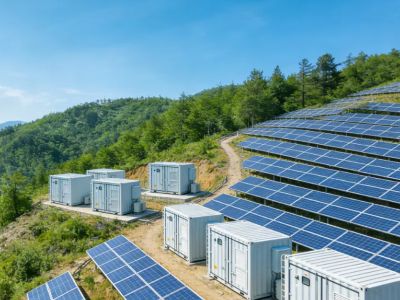
المستشفيات هي الأماكن التي يقصدها الناس للتعافي عندما يمرضون أو يصابون. وتحتاج هذه المنشآت إلى كمٍّ كبير من الطاقة لتشغيل الأجهزة والرعاية المقدَّمة للمرضى. ومن إحدى الطرق التي يمكن أن تضمن بها المستشفيات توفر ما يكفي من الطاقة استخدام تخزين بطارية الطاقة الشمسية الضوئية . وتُساعد هذه التكنولوجيا المستشفيات على تخزين طاقة الشمس واستخدامها عند الحاجة إليها أكثر ما تكون، مثل حالات انقطاع التيار الكهربائي. وتعمل شركات مثل BOX-E على تحسين هذه الأنظمة وزيادة كفاءتها. وعندما تمتلك المستشفيات أنظمة موثوقة لتخزين الطاقة، يمكنها التركيز على المهمة الأساسية: رعاية مرضاها.
كيف تُسهم أنظمة تخزين الطاقة الشمسية بالبطاريات في دعم عمليات المستشفيات؟
تساعد أنظمة تخزين الطاقة الشمسية الكهروضوئية المستشفيات بعدة طرق. أولاً، توفر مصدر طاقة احتياطيًا. فتحتاج المستشفيات إلى التيار الكهربائي على مدار اليوم والليل لإضاءة المرافق، وتشغيل الأجهزة، والمعدات المنقذة للحياة. وأحيانًا تنقطع الكهرباء بسبب العواصف أو مشكلات أخرى. وباستخدام أنظمة التخزين بالبطاريات، يمكن للمستشفيات الاستمرار في العمل حتى في حال انقطاع التيار عن الشبكة العامة. وهذا يعني أن المرضى يتلقون الرعاية دون انقطاع. ومن الفوائد الأخرى توفير المال في تكاليف الطاقة. فبتخزين الطاقة الشمسية خلال النهار، يمكن استخدامها في أوقات ارتفاع أسعار الكهرباء ليلاً. وبذلك، يُمكن للمستشفيات توجيه المبالغ الموفَّرة نحو أمور أكثر أهمية، مثل المستلزمات أو الموظفين. كما أن هذه الأنظمة صديقة للبيئة. فالاعتماد على الطاقة الشمسية يقلل من التلوث ويجعل المستشفيات أكثر اخضرارًا. وهذا أمرٌ بالغ الأهمية لأن الناس يبحثون عن بيئات صحية أكثر. علاوةً على ذلك، هناك الجانب التقني: إذ تتيح أنظمة BOX-E للمستشفيات مراقبة استهلاكها للطاقة واكتشاف سبل تحسينه. وهذه المعلومات تساعد الإدارة على اتخاذ قرارات ذكية بشأن إدارة الطاقة، حيث يمكنها معرفة أوقات الذروة في الاستهلاك وتعديل العادات وفقًا لذلك. بالإضافة إلى ذلك، يمكن للمستشفيات مشاركة الطاقة مع المباني المجاورة، مما يعود بالنفع على المجتمع المحلي. وكل هذا يُحدث تغييرًا كبيرًا، فتصبح المستشفيات أكثر موثوقيةً واهتمامًا بالمرضى. تخزين بطارية الطاقة الشمسية الضوئية فإنها تضمن حصول كل مريض على أفضل رعاية، بغض النظر عن الظروف.
ما المشكلات التي تواجهها المستشفيات في غياب أنظمة تخزين الطاقة بالبطاريات؟
بدون تخزين البطاريات، تواجه المستشفيات العديد من المشكلات. أولاً، قد تتعرض لانقطاعات في التيار الكهربائي. فإذا انطفأت الأنوار، فهذا أمرٌ خطير. فالأجهزة الحيوية مثل أجهزة التنفس الصناعي تحتاج إلى طاقة كهربائية للعمل، وإذا توقفت عن العمل، فإن حياة المرضى تكون معرّضة للخطر. وهذا يؤدي إلى حالة من الذعر لدى الطاقم الطبي وأسر المرضى. كما أن الاعتماد الزائد على الشبكة الكهربائية الرئيسية يُعد مشكلةً أخرى في غياب أنظمة التخزين؛ إذ تبقى المستشفيات معزولةً في الظلام عند حدوث أي عطل في الشبكة، وهو ما قد يحدث في أوقات الطقس السيئ أو أوقات الذروة في استهلاك الطاقة. ومن المشكلات الأخرى ارتفاع تكاليف الطاقة؛ فبدون أنظمة التخزين، تضطر المستشفيات إلى شراء الكهرباء في الأوقات التي تكون فيها الأسعار مرتفعةً للغاية، ما يؤدي إلى هدر المال الذي كان يمكن توجيهه نحو رعاية المرضى. كما أن غياب الطاقة الشمسية يزيد من انبعاثات التلوث الناتجة عن المستشفيات، الأمر الذي لا يخدم البيئة ولا صحة المجتمع. ويزداد الضغط النفسي على الطاقم الطبي أيضاً؛ فخلال انقطاع التيار، يسعى الموظفون جاهدين للحفاظ على استمرارية العمل، مما يولّد أجواءً من الفوضى والتوتر غير الملائمة لتقديم الرعاية الصحية المثلى. وبغياب أنظمة تخزين الطاقة، تفوّت المستشفيات فرصة المساهمة في استخدام مصادر طاقة أنظف، ولا تستطيع خفض بصمتها الكربونية. أما بتقنية BOX-E، فتتجنب المستشفيات كل هذه المشكلات. إذ إن أنظمة تخزين الطاقة بالبطاريات ليست رفاهيةً فحسب، بل هي ضرورةٌ أساسيةٌ لضمان سير العمليات بسلاسةٍ وأمانٍ. فهي تخلق بيئةً آمنةً للمريض والطاقم الطبي على حدٍ سواء، وتضمن تقديم الرعاية الكاملة لهم مهما كانت الظروف.
دور أنظمة تخزين الطاقة الشمسية بالبطاريات في الاستعداد الطارئ للمستشفيات؟
تُعَدُّ أنظمة تخزين الطاقة الشمسية بالبطاريات مهمةً جدًّا للمستشفيات، خصوصًا من أجل الاستعداد للطوارئ. فالمستشفيات بحاجةٍ إلى طاقةٍ كبيرةٍ لتشغيل الأجهزة والإنارة وغيرها من الأدوات. وأحيانًا، أثناء العواصف أو الكوارث، تنقطع الكهرباء عن الشبكة العامة. ولذلك محطة الطاقة الكهروضوئية تظهر أهمية هذه الأنظمة. فهي تحافظ على استمرار عمل المستشفى بسلاسةٍ عند انقطاع التغذية الكهربائية من الشبكة.
فعندما تشرق الشمس، تقوم الألواح الشمسية المثبتة على أسطح المباني بجمع الطاقة، التي تُخزَّن بعد ذلك في بطارياتٍ خاصة. فإذا حدث انقطاعٌ في التيار الكهربائي، يمكن للمستشفى استخدام هذه الطاقة المخزَّنة. وبذلك تستمر الأجهزة الحيوية المهمة، مثل أجهزة التنفُّس الصناعي و monitors القلب، في العمل. ويواصل الفريق الطبي والعاملون تقديم الرعاية للمرضى دون قلقٍ من انقطاع التيار.
ويُمثِّل وجود طاقة احتياطية نوعًا من التأمين للمستشفى؛ إذ يضمن أن يقدِّم الأطباء والممرضون أفضل رعاية ممكنة، حتى في حال حدوث مشكلات خارجية. وفي شركة BOX-E، ندرك تمامًا مدى حيوية استعداد المستشفيات لأي طارئ. وبفضل أنظمة تخزين الطاقة الشمسية بالبطاريات، تكون المستشفيات مستعدةً للطوارئ وتُنقذ الأرواح عندما يكون ذلك أكثر ما يكون ضرورةً.
أين تحصل المستشفيات على أنظمة تخزين طاقة شمسية بأسعار معقولة؟
يُعَدُّ إيجاد أنظمة تخزين طاقة شمسية بأسعار معقولة أمراً بالغ الأهمية للمستشفيات، إذ غالبًا ما تواجه ميزانيات محدودة، لذا فهي بحاجة إلى عروض جيدة. ومن أحد السبل المتبعة في هذا الصدد التعاون مع شركات متخصصة في مجال الطاقة الشمسية وأنظمة التخزين، مثل شركة BOX-E. وتساعد هذه الشركات المستشفيات على فهم احتياجاتها وتكاليفها.
يمكن للمستشفيات البحث عن المنح أو التمويل المخصص للطاقة المتجددة. فتقدم العديد من الحكومات دعماً مالياً لمساعدة المؤسسات على الانتقال إلى مصادر طاقة أنظف. وبذلك يصبح شراء هذه الأنظمة أكثر سهولة. وباستخدام هذه البرامج، توفر المستشفيات أموالاً يمكن استثمارها في تحسين جودة الرعاية الصحية.
وثمة خيار آخر يتمثل في التعاون مع مرافق صحية أخرى. فعندما تشتري المستشفيات هذه الأنظمة بشكل جماعي، تحصل على أسعار أفضل. ويؤدي هذا التعاون إلى توفير المال مع ضمان حصولها على أنظمة التخزين اللازمة. وهي طريقة ذكية للاستفادة من الموارد وتقليل تكاليف الرعاية الصحية.
وبشكل عام، تمتلك المستشفيات عدة سبل لإيجاد أنظمة تخزين طاقة شمسية بأسعار معقولة. وباستعانة بالدعم المناسب، يمكنها ضمان توافر طاقة كهربائية موثوقة تُسهم في الحفاظ على سلامة المرضى وصحتهم.
أحدث الاتجاهات في أنظمة تخزين الطاقة الشمسية في القطاع الصحي؟
عالم تخزين البطاريات الكهروضوئية يتغير دائمًا، وهناك اتجاهات مثيرة للاهتمام تخص المستشفيات. ومن أبرز هذه الاتجاهات تحسُّن تقنيات البطاريات. فالمستجدات في عالم البطاريات تدوم لفترة أطول وتخزن طاقةً أكبر. وهذا يعني أن المستشفيات تعتمد عليها بشكلٍ متزايد أثناء انقطاع التيار الكهربائي. فعلى سبيل المثال، تُعد بطاريات الليثيوم-أيون شائعةً جدًّا نظرًا لكفاءتها العالية وعمرها الطويل. وفي شركة BOX-E، نقدِّم أحدث التقنيات لتوفير أفضل الخيارات للمستشفيات.
ويتمثل الاتجاه الآخر في الأنظمة الذكية. فهذه الأنظمة تساعد في إدارة استهلاك الطاقة بكفاءةٍ أعلى، وتتخذ قراراتٍ بشأن الوقت الأمثل لاستخدام الطاقة الشمسية أو الطاقة المخزَّنة. وبفضل هذه الإدارة الذكية، تنخفض التكاليف وتزداد كفاءة استخدام الطاقة، كما يقلُّ البصمة الكربونية، مما يعود بالنفع على البيئة.
وأخيرًا، تدمج المستشفيات أنظمة التخزين مع مصادر طاقة متجددة أخرى. فبعضها يستخدم طاقة الرياح إلى جانب الطاقة الشمسية. وهذه المزيجية تضمن توافر التيار الكهربائي في جميع الظروف الجوية. وبتعدد مصادر الطاقة، تكتسب المستشفيات درجةً أعلى من الاستقلالية والموثوقية.
وباختصار، تشمل الاتجاهات المذكورة تحسين أداء البطاريات، والإدارة الذكية للطاقة، ودمج المصادر المتجددة. وتساعد هذه الاتجاهات المستشفيات على التشغيل بكفاءةٍ أعلى وتقديم رعايةٍ أفضل. ونحن في شركة BOX-E متحمسون لهذا التطور، ونساند المستشفيات في التكيُّف مع هذه التحوُّلات من أجل مستقبلٍ أكثر صحة.
جدول المحتويات
- كيف تُسهم أنظمة تخزين الطاقة الشمسية بالبطاريات في دعم عمليات المستشفيات؟
- ما المشكلات التي تواجهها المستشفيات في غياب أنظمة تخزين الطاقة بالبطاريات؟
- دور أنظمة تخزين الطاقة الشمسية بالبطاريات في الاستعداد الطارئ للمستشفيات؟
- أين تحصل المستشفيات على أنظمة تخزين طاقة شمسية بأسعار معقولة؟
- أحدث الاتجاهات في أنظمة تخزين الطاقة الشمسية في القطاع الصحي؟